Second-Chance Lottery Drawings Explained
What is a second-chance lottery drawing?
A second chance lottery is a separate prize draw run by many official state lotteries for tickets that did not win the main game. You register the losing ticket's code online, it becomes an entry, and winners are picked at random from that pool. Your odds depend entirely on how many people enter.
- Register: enter the code from a non-winning ticket on your state's official site or app.
- Odds: driven by the total number of entries, never by which numbers you chose.
- Edge: staying organised so no eligible ticket ever goes unentered.
You bought a ticket, checked the numbers, and came up short. For most players that is where the ticket's life ends: folded into a pocket, then a bin. A second chance lottery drawing exists precisely for that moment, giving a non-winning ticket one more opportunity at a prize instead of nothing at all. Run by dozens of official state lotteries across the United States, these draws let you register tickets that missed the main game and enter them into separate prize pools — often cash, merchandise, or experiences the headline game never offered.
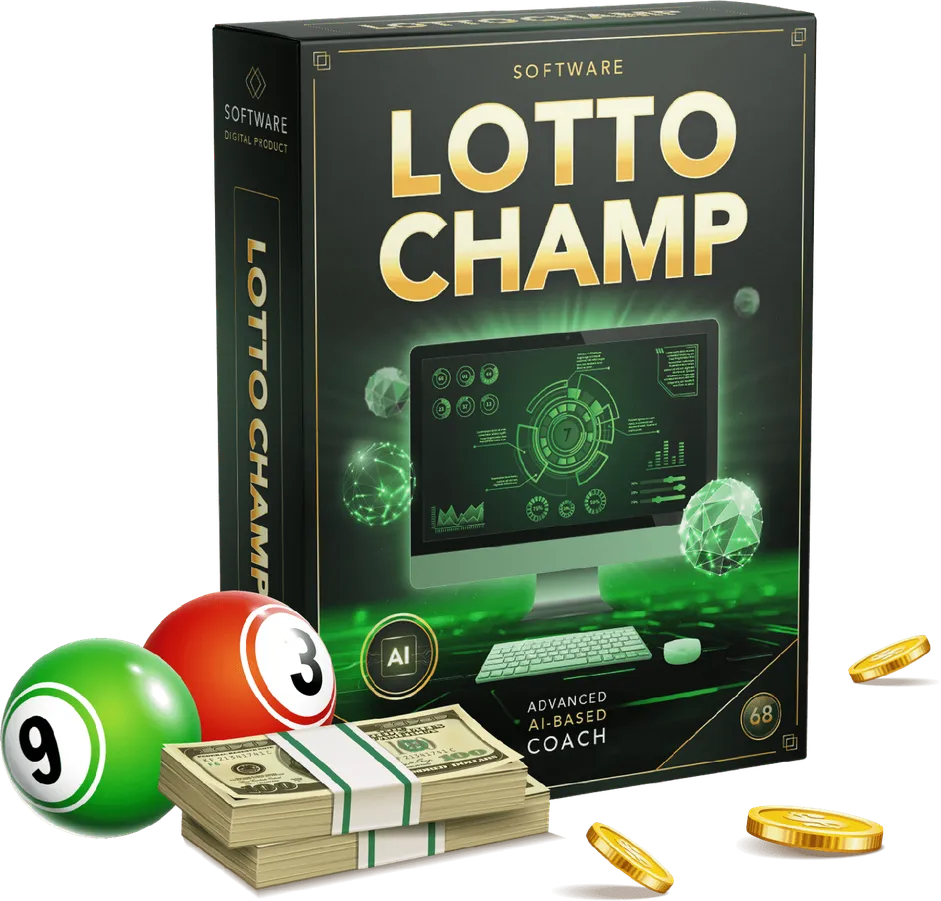
The mechanics are simple, the prizes are genuine, and it costs nothing extra to enter once you already hold the ticket. What trips people up is not the concept but the follow-through: eligible tickets get lost, codes go unregistered, and deadlines slip past unnoticed. This guide explains how second-chance draws work, how to enter losing tickets correctly, what the odds actually mean, and where a plain record-keeping habit — the kind a members tool such as LottoChamp is built around — turns a good idea into entries that count.
What a second chance lottery drawing actually is
Strip away the marketing and a second-chance draw is a standard raffle bolted onto an existing game. The state lottery designates certain products — scratch-offs, specific draw games, sometimes seasonal promotions — as eligible. Every ticket for those products carries a unique code, and once the ticket has failed to win a top prize in the normal way, that code can be submitted into a pool. At a scheduled time the operator draws entries at random and awards a separate set of prizes.
The key word is separate. The second-chance draw does not reach back into the original game, and it does not change the odds or outcome of the ticket you already checked. It is a distinct event with its own rules, its own prize table, and its own winners. That structure is why a ticket worth nothing in the main game can still be worth something here: the value was never in the numbers you picked, but in the registration code the operator prints on every ticket.
Prizes vary enormously by state and promotion. Some second-chance pools award modest gift cards or merchandise; others have handed out vehicles, holidays, and six-figure cash draws. Because these are official programmes, the prizes are real, taxable, and paid through the same verified channels as any lottery win. That legitimacy is exactly why fraudsters imitate them, a point worth flagging early: a genuine second-chance draw never contacts you first asking for a fee.
How to enter losing tickets for a second-chance draw
The process is deliberately low-friction, because the lottery wants engagement. Once you know the steps, entering takes under a minute per ticket.
- Confirm eligibility. Not every ticket qualifies. Check your state lottery's official site for the list of games and promotions currently running second-chance draws, along with the entry deadline for each.
- Create a free account. Second-chance entries almost always require a registered player account on the official website or app. Registration is free; if a site charges you to enter, you are not on the official channel.
- Enter the code. Locate the unique entry code or barcode on the non-winning ticket. Type it in, or scan the barcode with the official app's camera tool. The system logs the ticket as an entry for the next qualifying draw.
- Keep the physical ticket. This is the step people skip. Operators can require you to present the original signed ticket to claim, so hold onto it until any prize is confirmed and paid. A registered code with a lost ticket can be worthless.
- Track deadlines. Each draw has a cut-off, and unentered tickets expire. The whole exercise fails if the ticket is still in your glovebox on draw day.
Every one of those steps is administrative, not predictive. There is no clever number to choose, no pattern to exploit, and nothing about your selection method that changes the result. The draw is random. What separates players who occasionally win a second-chance prize from those who never do is not luck or system — it is whether the eligible tickets were entered at all, and on time.
Keep every eligible ticket in one place
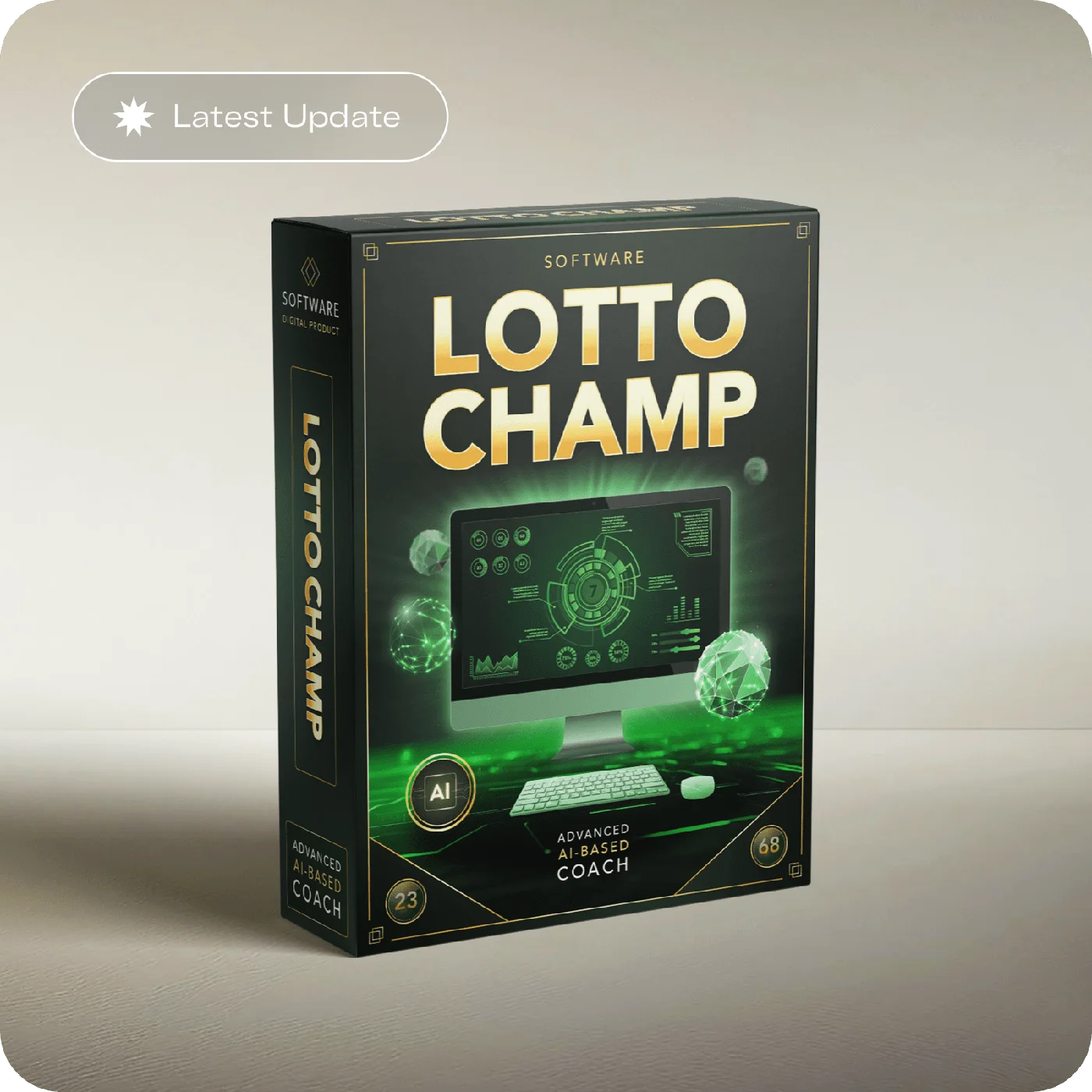
LottoChamp is a members-area app for generating and recording lottery selections and ticket details in one dashboard, sold through a single official checkout with the full price shown up front and a 60-day refund window.
Get OfferAre second-chance odds better than the main draw?
This is the question that decides whether the effort is worth it, and the honest answer is that second-chance odds are different, not automatically better. A jackpot game like Powerball asks you to match a combination drawn from a field of hundreds of millions of possibilities. A second-chance draw asks something far simpler: it picks winning entries at random from however many tickets people registered. The odds are governed by the size of that entry pool and the number of prizes on offer, not by the punishing field size of the headline game.
That can cut in your favour. Second-chance pools are often much smaller than the player base of the main game, because most people never bother to register their losing tickets. Fewer entries means each entry represents a larger slice of the draw. The trade-off is that second-chance prizes are usually smaller than a life-changing jackpot — you are competing for gift cards, merchandise, or a mid-size cash prize rather than a nine-figure sum.
What does not change is the role of your number choices: none. Just as picking so-called hot digits does nothing in the main game, no selection trick helps in a second-chance draw, because the entries themselves are what get drawn, not the numbers on them. If you want the full explanation of why frequency charts and streaks carry no predictive weight, we cover it in why hot and cold number streaks never predict the next draw. The single lever you actually control is participation: enter every eligible ticket, every time.

Why record-keeping is the only real edge
If number choice does nothing and the draw is random, is there any edge at all? There is exactly one, and it is unglamorous: organisation. The players who win second-chance prizes are, on average, the players who consistently enter more eligible tickets before the deadline. That is not a probability trick — it is simply that an entered ticket can win and an unentered ticket cannot. Every eligible ticket left unregistered is a free entry thrown away.
Scale that across a year. A regular player might buy dozens of eligible scratch-offs and draw tickets. If half of those never get registered because the code was lost, the ticket was binned, or the deadline passed, then half the available entries evaporated for no reason. Closing that gap does not require predicting anything. It requires a system: a place to log each ticket's code, the promotion it belongs to, and the cut-off date, so nothing slips through.
The house edge you can claw back is not in the numbers. It is in never letting an eligible ticket expire unentered.
This is the narrow, honest job a members tool does well. LottoChamp is a members-area app that generates valid combinations and records the selections and ticket details you feed it, which is precisely the kind of bookkeeping second-chance play rewards. It will not improve your odds in any draw — nothing can — but a tidy record of codes and deadlines is the difference between entering ten tickets and entering all twenty you were entitled to. Judge any such tool on that workflow, not on promises of winning.
Record-keeping also pairs naturally with spending discipline. Deciding in advance what you will spend, and treating any second-chance prize as a bonus rather than a plan, keeps the whole activity in the entertainment column where it belongs. If you want a simple framework, the lottery budget rules that keep play affordable and fun are a good companion to this one.
Do all states run second-chance programmes?
No, and this is where assumptions cost people entries. Second-chance drawings are common but not universal. The specific games that qualify, how often draws are held, the prize structures, and even whether a programme exists at all differ from one state lottery to the next. A promotion that runs all year in one state may be a one-off seasonal event in another, or absent entirely.
The practical rule is to verify on your own state lottery's official website rather than relying on general articles or hearsay. Look for the current list of eligible products, the entry deadlines, and the account requirements. Rules also change between promotions, so a code you entered last spring under one set of terms may fall under different ones this season. Treat the official site as the single source of truth, and re-check it when a new promotion appears.
Three myths worth clearing up
Myth one: second-chance draws are a scam. The official ones are not — they are legitimate programmes run by state lotteries, with real, verifiable prizes. The confusion comes from a genuine fraud problem that borrows their name. If someone contacts you unprompted by email, text, direct message, or phone claiming you have won a second-chance draw and asking for a fee, your bank details, or a code, it is a scam. Real programmes require you to enter first, never contact you out of the blue, and never ask you to pay to release a prize. We break down the wider pattern in guidance on recognising fake prize-claim messages, and the reflex to learn is simple: verify on the official site, never through a link someone sent you.
Myth two: registering more tickets guarantees a win. It does not. Each draw is random, and entering more tickets raises how many chances you hold, not any certainty of winning. Entering ten eligible tickets gives you ten chances instead of one — a real improvement over entering none, but still no guarantee. Anyone selling a system that promises second-chance wins is selling the gambler's fallacy in new packaging.
Myth three: you need prediction software to do well. There is nothing to predict. No app can foresee which random entry the operator will draw, and any product claiming to is misleading you. The only software that helps is organisational — a place to record codes and deadlines so you actually enter what you are entitled to. That distinction, between a prediction promise and a record-keeping convenience, is the one to hold onto whenever any lottery tool is marketed to you.
Where a members tool honestly fits
None of this makes number-generating software useless; it makes its real job clear. A tool that produces valid combinations quickly, keeps a record of what you played, and lets you note the ticket codes and deadlines tied to a second chance lottery entry is doing something concrete and useful. What it cannot do — and what you should distrust any product for claiming — is make a combination more likely to appear or a second-chance entry more likely to be drawn.
So if you are weighing up a members tool, compare it the way you would any organiser: is the workflow genuinely convenient, is the pricing shown honestly up front, is there a real refund window, and does the marketing avoid promising winnings it cannot deliver? A one-time licence with a clear guarantee and no outcome claims is a reasonable buy for the bookkeeping alone. Treat everything else — the language about edges, patterns, and improved chances — as marketing rather than mechanism.
Organise your tickets, not your luck
One payment, lifetime access to the members area for generating and recording selections, and a 60-day refund window if the workflow is not what you wanted.
Get OfferFrequently asked questions
What is a second-chance lottery drawing?
It is a separate prize draw that many official state lotteries run for tickets that did not win the main game. Instead of throwing a non-winning ticket away, you register its code online, which turns it into an entry for a distinct pool of prizes such as cash, merchandise or experiences. The main game and the second-chance draw are entirely separate events with their own winners.
How do I enter losing tickets for a second chance?
You create a free account on your state lottery's official website or app, then enter the unique code printed on the eligible non-winning ticket, usually by typing it or scanning the barcode. The ticket is logged as an entry for the next qualifying draw. Keep the physical ticket until any prize is confirmed and paid, because operators can require you to present the original.
Are second-chance odds better than the main draw?
They are different rather than automatically better. Second-chance odds depend on how many people enter and how many prizes are offered, not on the astronomical field sizes of a jackpot game, so headline prizes are usually smaller but the entry pool can be far smaller too. The only thing you control is entering every eligible ticket, since number choice plays no part in a random second-chance draw.
Do all states offer second-chance drawings?
No. Second-chance programmes are common but not universal, and the states that run them vary in which games qualify, how often draws happen and what prizes are on offer. Always confirm the details on your own state lottery's official site, and treat any second-chance offer that arrives by unsolicited email, text or social media as a likely scam rather than a real programme.