Is LottoChamp a Scam? An Evidence Check
Is LottoChamp a scam?
By the strict definition, no: LottoChamp delivers a real digital product and carries a 60-day money-back guarantee processed through BuyGoods. The genuine red flag is not the checkout but the marketing — its AI-prediction claims are unverified, and no software can beat lottery odds of roughly one in 292 million.
- Argues against fraud: a real deliverable plus an honored refund window.
- The claim to distrust: any "AI predicts winning numbers" language.
- The honest frame: convenience tool, not an edge over fixed odds.
Is LottoChamp a scam? Defining the word before the verdict
Before anyone can answer whether LottoChamp is a scam, the word has to be pinned down, because people use it for two very different things. In its strict sense a scam is fraud: money changes hands and nothing real comes back, or what comes back is fake and the buyer has no recourse. In its looser, everyday sense people call something a scam when it works but is oversold — a real product wrapped in claims it cannot live up to. Those are not the same accusation, and lumping them together is exactly how honest analysis gets lost.
This matters for your wallet. If a product is fraudulent, the only correct action is to stay away entirely. If a product is real but overclaimed, the correct action is to strip away the marketing, look at what you actually receive, and decide whether that thing is worth the price on its own terms. The rest of this page runs LottoChamp through both tests, because the honest verdict sits in between the hype on one side and the reflexive "it's all a con" dismissal on the other.
What LottoChamp actually is
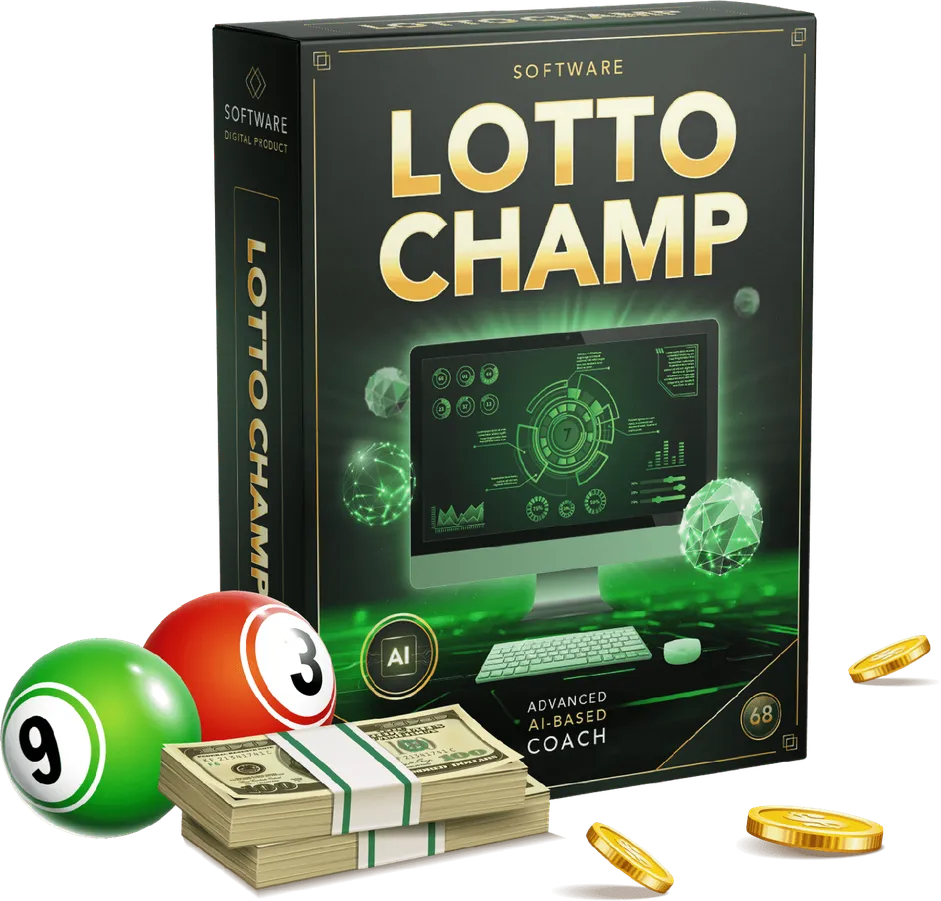
LottoChamp is a members-area application for generating and recording lottery number selections. You pay once, you log in, and inside the account you can produce number strings, save them against a game and a date, and keep a tidy history rather than a drawer full of scribbled slips. It is sold as a digital download and membership through BuyGoods, a long-established online payment and fulfilment platform, and it ships with a pair of bonus ebooks and a stated 60-day money-back guarantee.
Read that description carefully, because everything hinges on it. Generating and storing combinations is a real, deliverable function — software genuinely does this. Predicting which combination will be drawn is a different function entirely, and it is the one no software can perform. A scam check is really a check on which of those two things you are being sold, and whether the seller is honest about the difference. If you want the deeper mechanics of that gap, our companion explainer on whether AI can predict lottery numbers walks through why an independent random draw defeats every forecasting model ever built.
The case that it is not a scam
Start with the evidence that argues against outright fraud, because it is stronger than the cynical take assumes.
There is a real deliverable. Buyers receive access to an actual application and the promised bonus material. A pure scam takes the money and vanishes; that is not the pattern here. You get a thing, you can open the thing, and the thing does what a number generator does.
The checkout runs through an established processor. Payment is handled by BuyGoods rather than an anonymous form collecting card numbers into a void. That matters because a mainstream processor sits between you and the seller, enforces refund policies, and gives you a documented party to dispute with if something goes wrong. Fraud rings avoid exactly this kind of accountable middle layer.
There is a 60-day money-back guarantee. A genuine refund window administered by the payment platform is close to the opposite of a scam's business model. Scams are built on the money being unrecoverable; a 60-day guarantee is built on the money being recoverable. That single fact does more to rule out fraud than any testimonial could, precisely because it is verifiable and enforced by a third party rather than promised by the marketing.
A scam is defined by the money being gone and unrecoverable. A product with a real deliverable and a third-party-enforced 60-day refund window fails that definition on both counts.

Check the terms for yourself
The full price, the exact deliverables and the 60-day refund window are all shown on the official order page before you commit — read them before deciding.
Get OfferWhat are the real red flags to watch for
Clearing the fraud test does not clear the marketing. Here is where honest scepticism belongs, and where the genuine red flags live.
Prediction language. Any suggestion that the software can forecast, predict or improve your odds of a winning draw is the claim to distrust. It is not merely unproven; it is mathematically impossible, and any product leaning on it is overselling. Treat words like "AI-powered predictions" as a marketing flourish to discount entirely, not as a feature you are paying for.
Testimonial jackpots. Screenshots of big wins, "members who hit five numbers", and glowing before-and-after stories are the least verifiable part of any offer in this category. They are cheap to produce and impossible to audit. Give them a weight of zero and lose nothing.
Manufactured urgency. Countdown timers, "price rises tonight" banners and limited-stock language on a digital product that has no stock are pressure tactics, not information. A real 60-day guarantee removes any reason to rush; you can buy, evaluate calmly, and refund if it disappoints.
Blurred identity. This independent guide is not the developer, and neither are the many affiliate pages you will find. That is normal for this market, but it means you should read the actual order page terms rather than trusting any single review's summary — including this one.

The math no software can rewrite
Here is the fact that anchors every honest review of this product. A major jackpot game such as Powerball has odds of roughly one in 292 million for the top prize. Those odds are a fixed property of how the draw is built — a set number of balls, drawn independently, with every combination equally likely. No software running on your phone has any access to that physical machine, no memory of past draws changes the next one, and no pattern in previous results carries forward, because each draw is a fresh independent event.
This is why "does it work?" is the wrong question and "what does it actually do?" is the right one. A number generator can save you time, keep your selections organised, and stop you from accidentally replaying the same slip. What it cannot do — what nothing can do — is make any combination more likely to appear than one in 292 million. A seller who is honest about that is selling convenience. A seller who implies otherwise is where the "scam" feeling legitimately comes from, even when the product itself is real and refundable.
If you have ever felt that a set of "due" numbers is somehow closer to hitting, that instinct is the same fallacy dressed up, and our breakdown of why hot and cold number charts do not predict anything explains exactly why the machine has no memory of what it did last week.
Scam versus overclaimed tool, side by side
| Test | An actual scam | LottoChamp on the evidence |
|---|---|---|
| Do you receive a product? | Nothing, or a fake | Yes — a working members-area app and bonuses |
| Can you get your money back? | No recourse | 60-day money-back guarantee via BuyGoods |
| Who handles payment? | Anonymous or throwaway | Established third-party processor |
| Are the outcome claims true? | Fabricated | Overstated — prediction claims are unverified |
| Do the odds change? | N/A | No — fixed at roughly 1 in 292 million |
| Honest verdict | Avoid entirely | Real tool; ignore the hype, judge the convenience |
Read the last column as one sentence: real product, recoverable money, inflated claims. That is the profile of an overclaimed convenience tool, not the profile of a con that takes your cash and disappears.
Does the 60-day guarantee make it safe to try
"Safe to try" is worth defining as carefully as "scam". The 60-day money-back guarantee makes it financially low-risk to try, because your money is recoverable inside the window if the members area is not for you. It does not make the odds better, does not make any prediction real, and does not turn entertainment spending into an investment. Safe-to-try refers to your money, never to the draw.
If you do decide to buy, do it with eyes open. Buy through the official checkout so the refund terms actually apply to you. Note the purchase date, because the 60-day clock starts then. Judge the product on whether the workflow — generating, saving and organising your own selections — is worth the price to you personally, and disregard everything the marketing implies about winning. Keep any lottery spending inside an entertainment budget you would be comfortable losing in full, because that is the only budget lottery play belongs in.
Who it suits, and who should skip it
A fair verdict includes who should and should not buy, because "not a scam" is not the same as "right for you". LottoChamp suits someone who already plays the same draws, wants their selections generated quickly and kept in one dated place, and values that organisation enough to pay once for it. If a tidy record and a lifetime login appeal to you at the stated price, and you go in treating every winning claim as noise, the product can be a reasonable convenience purchase with a refund window behind it.
It is the wrong purchase for anyone buying in the hope that software will find or predict a winning combination. If that is the expectation, no amount of legitimacy in the checkout will make the product deliver, because the thing being hoped for does not exist. Those buyers are the ones who later write the angriest reviews — not because they were defrauded, but because they expected something the tool never claimed it could do once you strip the marketing away. Sort yourself honestly into one of those two groups before you decide, and the "scam or not" question mostly answers itself.
Decide from the official terms, not the hype
If you want to evaluate LottoChamp yourself, the members area is sold only through the official checkout — one payment, a 60-day refund window, and every deliverable listed in full before you buy.
Get OfferFrequently asked questions
Is LottoChamp a legitimate product or a scam?
By the strict definition of a scam — taking money and delivering nothing, with no way to get it back — LottoChamp does not fit. It delivers an actual members-area app and is sold through BuyGoods with a 60-day money-back guarantee. The fair criticism is not that it is fraudulent but that its marketing overstates what number software can do.
What are the real red flags to watch for?
The genuine red flag is any language suggesting the software can predict or improve your chance of winning. Draw odds are fixed and published, so no tool can move them. Treat AI-prediction claims, testimonial jackpots and countdown urgency as marketing to discount, and judge the purchase on the deliverable and the refund terms instead.
Does the 60-day guarantee mean it's safe to try?
The 60-day money-back guarantee is processed by BuyGoods, an established payment platform, which lowers the financial risk of trying it because you can request a refund inside the window. It does not make the odds better or the predictions real. Safe-to-try refers to your money being recoverable, not to any outcome at the draw.
Are LottoChamp's AI claims proven?
No. There is no published, independent evidence that LottoChamp or any similar product predicts winning numbers, and the mathematics of an independent random draw means there cannot be. A number generator can organise and store combinations quickly, but organising selections is not forecasting them, and no reviewer has ever demonstrated a system beating chance.