AI Lottery Software Compared for 2026
Which AI lottery software is best in 2026?
No AI lottery software can predict a draw, so the honest way to compare them is on convenience, transparency, price and refund terms. Judged that way, a one-time license with a clear guarantee usually beats a weekly or monthly subscription, because every tool sits behind the same fixed odds ceiling no matter how it is marketed.
- Ignore accuracy claims: none of these apps publishes a validated predictive model.
- Compare the real cost: subscriptions run $4.99/week to $9.99/month; a lifetime buy is paid once.
- Insist on a refund window: a genuine guarantee is the single most useful signal.
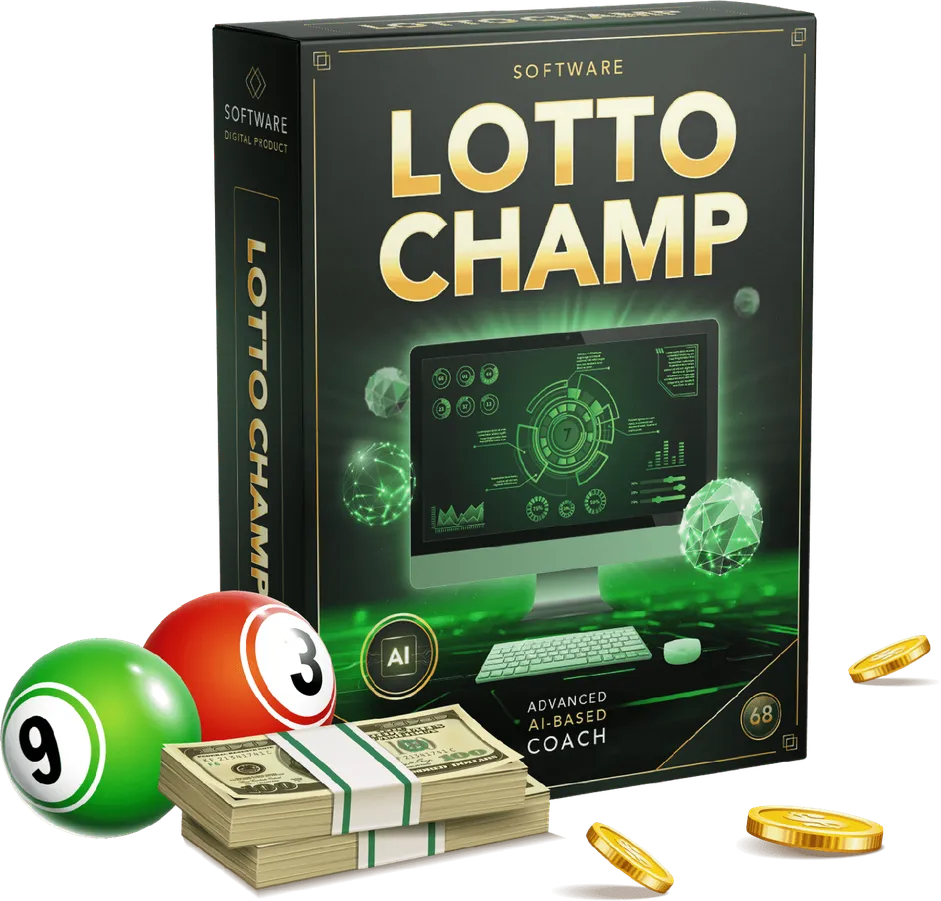
If you have searched for AI lottery software this year, you have met a wall of near-identical landing pages, each promising an algorithm, a neural net or a "pattern engine" that supposedly reads the draw. This guide compares the category the way a careful shopper actually should, because the marketing has almost nothing to do with what these tools deliver. AI lottery software cannot raise your odds, and the moment you accept that, the comparison becomes refreshingly simple: which product gives you the cleanest workflow, the most honest page, the lowest true cost, and the safest way to get your money back.
We have documented digital memberships and their refund mechanics for years, and lottery apps are one of the most crowded corners of that world. Below is what separates a fair purchase from a leaky subscription, followed by a side-by-side table and a plain buyer's checklist you can use on any product page in five minutes.
What AI lottery software actually does — and what it does not
Strip away the branding and every product in this category performs three functions. It generates combinations, usually with a random or filtered generator. It applies filters, so you can exclude combinations you dislike or match a game's rules. And it stores your selections, so you can reuse and track them across draws. That is a genuinely useful workflow if you play regularly and hate juggling scraps of paper or spreadsheet tabs.
What none of them do is predict. A lottery draw is an independent random event, and the operator publishes the odds before a single ticket is sold. No amount of training data changes a mechanical or certified-random draw, because past results carry no information about the next one. That is not our opinion; it is the defining property of a fair lottery. If you want the long version of why a model cannot beat the machine, we walk through it in the piece on whether AI can predict lottery numbers, and the maths lands in exactly the same place every time.
So when a page shows a confident percentage — "87% pattern accuracy," "3x more likely" — treat that number as a marketing asset, not a measurement. None of the products in this category, LottoChamp included, publishes a validated model that a statistician could audit. The difference between the good and the bad ones is not the algorithm. It is the honesty and the commercial terms wrapped around it.
The four criteria that actually matter
Because the prediction question is settled — nobody can — the comparison collapses onto four things a buyer can verify before paying. These are the only levers a product genuinely controls.
Convenience. Does the tool make regular play faster? Look for quick generation, saved tickets, filters that match your game, and a members area that opens on any device without a clunky install.
Transparency. Does the page tell you what the software does without implying it changes your chances? Honest products describe a workflow. Dishonest ones describe destiny. The tone of the sales page is one of the most reliable signals you will find.
Price. What does it truly cost over a year of use? A "$4.99" headline is a weekly figure on many apps, which is roughly $260 a year. Always convert everything to an annual number before you compare.
Refund terms. Can you get your money back, and how? A real, clearly stated guarantee is the single most protective feature any of these products can offer, because it caps your downside if the workflow is not what you expected.
| Criterion | Typical subscription app | LottoChamp |
|---|---|---|
| Pricing model | Recurring: ~$4.99/week to $9.99/month | One-time lifetime license |
| Cost over 12 months | ~$120 to $260, ongoing after that | Paid once, shown in full at checkout |
| Predictive claim | Often implied or stated | None — described as a workflow tool |
| Validated model published? | No | No |
| Odds ceiling | Fixed by the operator | Fixed by the operator (identical) |
| Refund window | Varies; often unclear | 60-day money-back window |
| Cancellation friction | Must remember to cancel | Nothing to cancel |
The row that decides most purchases is the odds ceiling, and it is identical across the whole table. Once you accept that no product can beat it, the recurring-billing model starts to look like paying rent on a convenience, while a one-time license looks like buying the convenience outright.

If a one-time license fits how you play
LottoChamp is sold through a single official checkout with the full price shown before you commit, plus a 60-day refund window. No weekly billing, nothing to cancel later.
Get OfferThe subscription trap: why $4.99 is rarely $4.99
The most important pricing detail in this category hides in a single word: per week. Several popular AI lottery apps anchor on a tiny headline figure that renews far more often than a casual reader expects. At $4.99 a week you pass $250 within a year and keep paying indefinitely. At $9.99 a month you cross $120 in the same period. Neither number is scandalous on its own, but both are recurring, which means the meter never stops while the product's actual capability — generating and storing numbers — never improves.
A one-time lifetime purchase changes the shape of the decision. You pay once, you own access, and there is nothing to remember to cancel. That is the core structural difference between LottoChamp and most of its rivals, and it is the reason a lifetime buy usually wins on total cost for anyone who plays for more than a few months. The trade-off is that you commit up front, which is precisely why the refund window matters so much: it converts the up-front commitment into a low-risk trial.
Subscriptions bill you for as long as you stay. A one-time license bills you once and then gets out of the way. Neither changes your odds — so pick the one that costs less to live with.
Where LottoChamp fits in the comparison
We include LottoChamp as one entry among several, not as an automatic winner, because the fair thing to do is judge it on the same four criteria as everything else. On convenience it is a straightforward members-area app that generates and records selections. On transparency it describes itself as a tool rather than a prophecy, which is the correct framing and the one we look for. On price it is a one-time lifetime license rather than a subscription. On refunds it carries a 60-day money-back window through the official checkout.
Where LottoChamp is exactly like its competitors is the part that matters most: it cannot change the odds, and it does not publish a validated predictive model, because no honest product in this category can. If you buy it, buy it for the workflow and the terms, and treat the two bundled ebooks as extras rather than an edge. You can see how the app is positioned on the LottoChamp members-area overview, and it is worth reading that page with the same skepticism you would apply to any rival.

Three objections worth answering honestly
"But the reviews show people winning." Testimonials are the least reliable evidence in this entire category. Winners are self-selected, unverifiable, and often incentivised. Someone was always going to win a given draw whether or not they used any software, so a screenshot proves the draw happened, not that a tool caused it. Weigh terms and transparency instead, and if you want to see how manufactured social proof is spotted, the guidance in our look at budget rules that keep lottery play fun applies just as well to reading reviews.
"A more expensive app must be more advanced." Price signals margin and marketing spend, not capability. Every product here sits behind the same odds ceiling, so a higher sticker or a pricier subscription buys you nothing extra in the only dimension that could matter. Convenience features, not cost, are the honest way to rank capability.
"AI is improving fast, so surely one of these will crack it." Better models cannot extract information that does not exist. A fair draw is memoryless by design, so there is no hidden pattern for a smarter algorithm to find. Improvements in AI make the interfaces nicer and the marketing more persuasive; they do not, and cannot, move a certified-random result.
A five-minute buyer's checklist
Open any AI lottery software page and run it through these questions before you reach for your card. If a product fails more than one, keep looking.
1. Does the page avoid promising winnings? Honest tools sell a workflow. If the headline promises results, that is the tell.
2. Is the total price obvious? Find the annual cost. Convert weekly and monthly figures. If the real number is hidden until checkout, that is a mark against it.
3. Is there a clear refund window? Look for the length and the mechanism. A vague or missing guarantee is a reason to walk away.
4. Does it explain what the software does? You should be able to describe the tool's function in one sentence after reading the page. If you cannot, the page is selling a feeling.
5. Does the small print match the big print? Read the terms. A page that promises certainty up top and disclaims it in the footer is telling you which half to believe.
Run LottoChamp through the same five questions and hold it to the same standard as every competitor. The point of this comparison is not to crown a winner in a race nobody can win; it is to help you buy a convenience at a fair price, with your money protected, and with no illusions about what the software can and cannot do.
One payment, one official checkout
Lifetime access to the members area, two bundled guides, and 60 days to change your mind if the workflow is not what you expected. No recurring bill, nothing to cancel.
Get OfferFrequently asked questions
What's the best AI lottery software in 2026?
There is no best tool for picking winning numbers, because no AI lottery software can raise the published odds of a draw. The sensible way to rank these apps is by the things they genuinely control: how convenient the workflow is, how honest the marketing is, what the total price works out to, and whether there is a real refund window. On those criteria a one-time license with a clear guarantee generally beats a weekly or monthly subscription.
Do any AI lottery tools actually predict numbers?
No. Not one publishes a validated model that beats random selection, and none can, because every draw is an independent random event with fixed odds set by the operator. These apps generate combinations, apply filters and store your selections. That is a workflow convenience, not prediction, and any product claiming a proven edge is describing marketing rather than mathematics.
How does LottoChamp compare on price?
Most rivals charge on a recurring basis, roughly $4.99 per week to $9.99 per month, which keeps billing you for as long as you use them. LottoChamp is sold as a one-time lifetime license through a single official checkout, so the cost is paid once. Over a year of use that structure is usually cheaper than an equivalent subscription, though you should confirm the current price on the checkout page before buying.
What should I look for before paying?
Look for four things: honest language that never promises winnings, a price shown in full before you commit, a genuine refund window with clear terms, and a clear statement of what the software actually does. Treat any product that dodges those points, or that leans on testimonials about big wins, as a warning sign rather than a recommendation.