Can You Stay Anonymous After Winning? How to Claim Lottery Anonymously
Can lottery winners stay anonymous?
In some states, yes. About a dozen states let you claim lottery anonymously with no public disclosure, and roughly fourteen more shield winners above a dollar threshold. States like California and New York require your name to be released. Where the law demands disclosure, a properly formed trust or LLC is the usual workaround.
- Full anonymity: around 12 states keep every winner's name private.
- Threshold protection: roughly 14 states shield you above a set amount.
- Disclosure states: your name is public record unless an entity claims.
Almost everyone who buys a ticket has run the same daydream: the numbers land, and the very next question is who gets to know. It is a fair thing to worry about. A public name attached to a large prize invites long-lost relatives, cold-callers, charities, financial salespeople and the occasional scam artist. So the real question behind the fantasy is a practical one, and it has a real answer that depends entirely on geography. Whether you can claim lottery anonymously comes down to the state whose game you played, and the rules split neatly into three groups that are worth understanding before you ever sign the back of a ticket.
This guide walks through all three. It is written for the "what if I win" searcher who wants the lay of the land rather than legal advice, and every specific figure here should be confirmed against the official state lottery, because these laws are amended more often than people expect. Nothing below predicts or improves anyone's chance of winning — it is simply about what happens on the day a real ticket is claimed.
Can you claim lottery anonymously? The short legal answer
There is no single national rule. Lotteries in the United States are run state by state, and each state writes its own disclosure policy under its own open-records law. That is why the same winning ticket could be completely private in one state and front-page news in another. Broadly, the country divides into three camps: states that grant full anonymity to every winner, states that protect you only once the prize crosses a dollar threshold, and states that treat a winner's name as public information with essentially no opt-out.
The reason disclosure exists at all is public trust. Lotteries publish winners so that the public can see the games are legitimate and the money is really paid out. That is a defensible goal. The tension is that transparency about the game becomes exposure for the individual, and states have landed in very different places on how to balance the two. Knowing which camp your state sits in is the single most useful piece of information you can carry into a claim.
The three kinds of states, at a glance
Before the detail, here is the shape of the map. Treat the counts as approximate and current-as-of-writing, because legislatures move the lines regularly.
| Category | Roughly how many | What it means for you |
|---|---|---|
| Full anonymity | ~12 states | Your name is never released, at any prize level. |
| Threshold protection | ~14 states | You are private only above a set dollar amount, sometimes after a delay. |
| Full disclosure | Remaining states | Name and city are public record; a trust or LLC is the only privacy route. |
The rest of this article takes each group in turn, then covers the entity workaround, the myths that trip people up, and the quiet checklist that matters far more than the anonymity question itself.
Full-anonymity states: your name never appears
About twelve states let a winner stay completely out of the public record regardless of how large the prize is. The membership of this group shifts — Georgia, Arizona, Mississippi, New Jersey and others have joined in recent years — but it has commonly included Delaware, Kansas, Maryland, North Dakota, Ohio, South Carolina, Texas and Wyoming, several of them with amount conditions layered on top. In a genuine full-anonymity state you can collect a jackpot without the lottery ever publishing your name, your photograph or your hometown.
This is the cleanest outcome, and if you happen to live in one of these states the anonymity problem is largely solved for you. Even so, two cautions apply. First, "anonymous to the public" is not "anonymous to the government": the lottery, the tax authorities and the paying bank still know exactly who you are, as they must. Second, anonymity protects you from strangers, not from anyone you tell. The most common way a private winner becomes a public one is by celebrating loudly, and no statute can undo a story that a friend has already shared.
Threshold states: protected above a dollar amount
Roughly fourteen states occupy the middle ground. They disclose small winners but protect large ones, on the sensible theory that a modest prize does not put a target on anyone's back while a life-changing one does. The threshold and the mechanics differ by state, which is exactly why you cannot rely on a rule of thumb.
Florida is the textbook example. Under its current law a winner of $250,000 or more is kept confidential for ninety days from the date the prize is claimed, after which the name becomes public unless another provision applies. Prizes below that figure are disclosed. Other threshold states set their trigger at different amounts and offer different delays or permanent protections. The practical lesson is that in these states the size of your win can decide whether you are named, so the exact number matters and only the official lottery can confirm it for the game you played.
The amount on the ticket can be the difference between a private life and a public one. In a threshold state, the number is not just how much you won — it is whether anyone finds out.
If you are the kind of planner who wants to understand these edges before anything happens, you are already ahead of most winners. The same forward-looking habit is what separates people who keep a windfall from people who lose it, which is a theme we return to below and in our guide to simple lottery budget rules that keep play a hobby.
The members tool behind the daydream
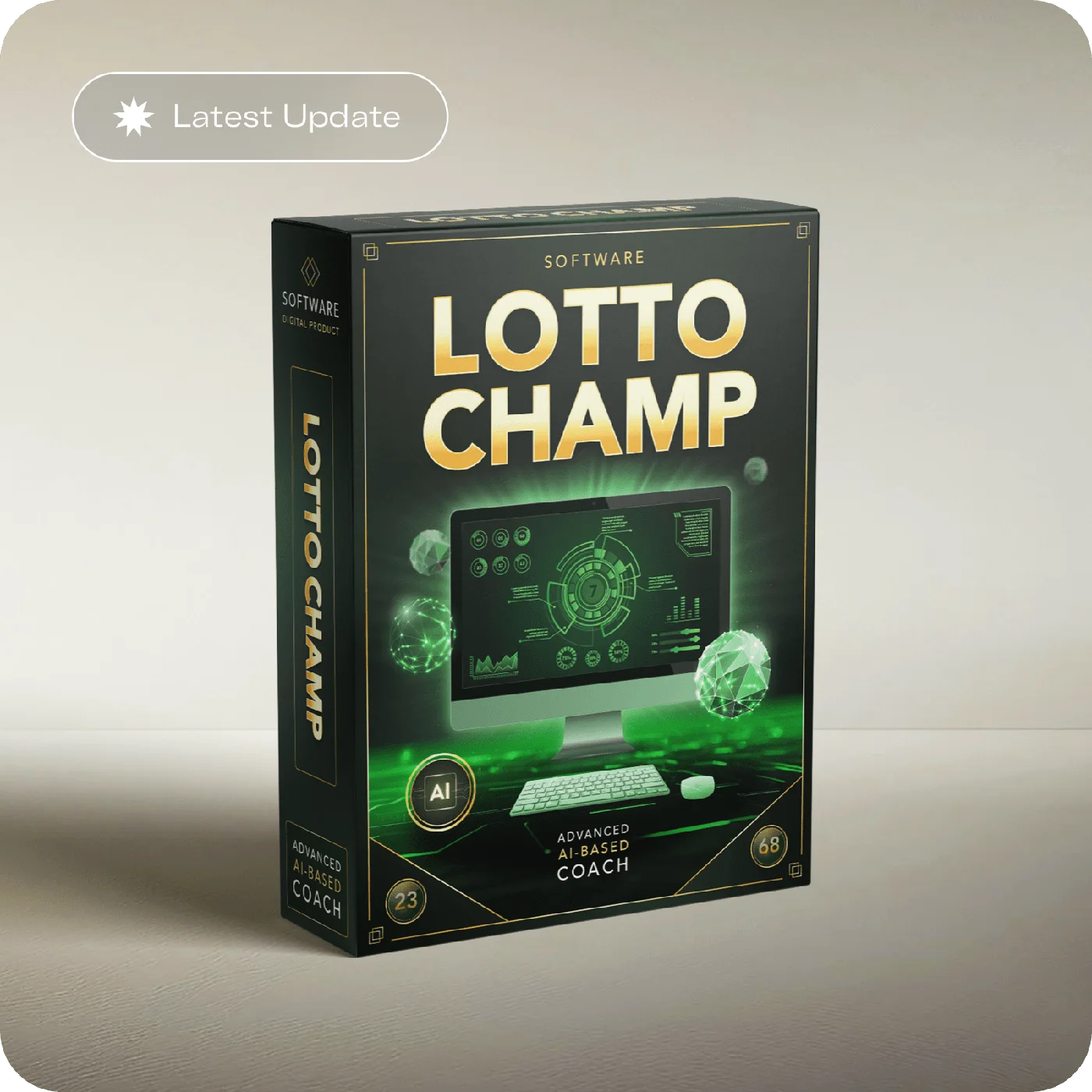
LottoChamp is a members-area app for generating and recording your selections and keeping your play organised — sold through one official checkout with the full price shown up front and a 60-day refund window. It does not change the odds, and it never will.
Get OfferDisclosure states: your name is public record
The largest states by population sit in the third camp. California is the clearest case: state law treats the winner's name and the location of the selling retailer as public information, and the lottery will release it. New York similarly discloses winners' names under its open-records regime. In these disclosure states there is no checkbox that keeps you private, and requests from journalists or the merely curious can be answered under freedom-of-information rules.
This surprises people, because the intuition is that a bigger, more sophisticated state would offer more privacy, not less. The opposite is often true, and it is a function of long-standing transparency law rather than any judgement about winners. If you play in a disclosure state and value privacy, the only real lever is to change who, legally speaking, is doing the claiming — which brings us to trusts and LLCs.
Claiming through a trust or LLC: the workaround, honestly explained
In many disclosure and threshold states a prize can be claimed by a legal entity rather than a person. Set up a blind trust or a single-purpose limited liability company, name the entity as the claimant, and it is the entity's name — not yours — that lands on the public record. Done properly, this is the mainstream, above-board tool that high-value winners and their advisers reach for, and it is entirely legal where the state permits it.
Three honest caveats keep this from being a magic wand. First, it does not work everywhere: some states require the natural person behind the entity to be disclosed anyway, which defeats the purpose, so the workaround is state-specific. Second, timing is everything. The entity generally needs to exist, and often the ticket needs to be handled correctly, before the claim is made — in some cases before the ticket is even signed — so this is a decision for the quiet days between the draw and the claim, not something you improvise at the counter. Third, it is not free or simple: you will want an attorney experienced in your state's lottery rules and a tax professional, because the entity has to be structured so that it protects your identity without creating tax or control problems.
None of that should scare a genuine large winner away from professional advice. It should, however, retire the internet myth that you can simply scribble "The Lucky Star Trust" on the ticket and vanish. The mechanism is real; the execution is technical and jurisdiction-dependent.

Three myths worth clearing up
Myth one: "If I win, I can just refuse to give my name." In a disclosure state, refusing is not on the menu — the information is public by law, and in most cases you cannot collect the prize without completing a claim in which your identity is established. The choice you actually have is structural, made in advance, not a refusal made at the window.
Myth two: "Anonymity means nobody can ever find out." Even full anonymity only binds the lottery. It does not bind your bank teller, your relatives, your co-workers, or the friend you told at 2am. Statutory anonymity is a floor, not a force field, and the biggest leaks are almost always personal rather than official. If your name does leak, it also makes you a target for exactly the kind of fraud we document in our breakdown of lottery-winner scam messages and fake prize claims.
Myth three: "Staying anonymous improves my odds or my payout." It does neither. Anonymity is a privacy setting on the back end of a win; it has nothing to do with the draw. The odds and the expected return of a ticket are fixed by the game's prize table before you buy, a point we work through from first principles in our explainer on the expected value of a lottery ticket. No claiming strategy, and no app, can move those numbers.
The quiet checklist that matters more than anonymity
Here is the part that seasoned advisers will tell you is more important than the disclosure question. The moment a ticket wins big, the clock does not actually start ticking as fast as excitement suggests. Most states give you months to claim — often 180 days or more — and those first quiet weeks are the most valuable asset you will ever have. Use them.
- Sign nothing and tell no one first. Photograph the ticket, store it somewhere secure, and resist the group text. Once the news is out it cannot be taken back, and it is the news, not the lottery, that changes your life first.
- Assemble the team before you claim. A fee-only financial adviser, an attorney who knows your state's lottery law, and a tax professional. In a threshold or disclosure state, this team is what makes the trust-or-LLC route possible at all.
- Confirm the rules for your exact game and state. Do not act on a blog, including this one. Anonymity policy, thresholds and delays are set in statute and can change; the official lottery is the only authority.
- Take the annuity-versus-lump-sum decision slowly. It is irreversible and it interacts with tax. It has nothing to do with anonymity, but it will matter far more to your outcome.
Read those again and notice how little of it is about hiding your name. Anonymity is one useful protection, but the discipline of moving slowly, staying quiet and hiring the right people is what actually preserves a windfall.
Where a members tool like LottoChamp fits in
All of the above is about the day you claim. The far more common day is the ordinary one, when you are simply choosing numbers and keeping your play tidy. That is the modest job a members tool does. LottoChamp is a members-area app that generates and records lottery number selections, which is a workflow convenience — a place to produce picks quickly and keep a history — and nothing more. It does not, and cannot, improve your odds, predict a draw, or influence whether your state will let you stay anonymous.
We are deliberate about that boundary because the honest framing is the whole point of this site. If you enjoy the ritual of playing and want the picking-and-tracking part to be faster, a tool like this earns its keep. If you are comparing options, judge them on speed, storage and refund terms, and treat any language about improved chances as marketing. The anonymity question, the odds question and the budget question are all independent of the software — and being clear-eyed about that is what keeps lottery play a bit of fun rather than a false promise.
One payment, one official checkout
Lifetime access to the members area, the two bundled guides, and 60 days to change your mind if the workflow is not what you expected. The price is shown in full before you commit.
Get OfferFrequently asked questions
Which states let lottery winners stay anonymous?
About a dozen states allow full anonymity for lottery winners, meaning your name is never released as public record. The list shifts as legislatures pass new laws, and it commonly includes states such as Delaware, Kansas, Maryland, North Dakota, Ohio, South Carolina, Texas, Georgia, Arizona, Mississippi, New Jersey and Wyoming. Because the rules change, always confirm the current policy with the official state lottery before you claim.
Can I claim a jackpot through an LLC or trust?
Often, yes. In many disclosure states a prize can be claimed by a legal entity such as a blind trust or a single-purpose LLC, so the entity name appears on public records instead of your own. The rules differ by state, some require the individual behind the entity to be named anyway, and setting one up correctly needs a lawyer and an accountant before the ticket is signed.
Does anonymity depend on the prize amount?
In roughly fourteen states it does. These threshold states protect your identity only above a set dollar figure. Florida, for example, keeps winners of $250,000 or more confidential for ninety days before the name becomes public, while smaller prizes are disclosed. The exact trigger and the length of any delay vary from state to state, so the amount you win can decide whether you are named.
Which states force winners to be named publicly?
Several large states treat a winner's name and city as public record with no opt-out, most notably California and New York. In these disclosure states the information can be released under open-records law, and the usual route to any privacy is claiming through a trust or LLC where the state permits it. Confirm the current rule with the official lottery, because open-records treatment is set by state law.
Related reading
References
- Florida Lottery — official claim rules and confidentiality policy
- California Lottery — winner disclosure under state open-records law
- IRS Topic 419 — gambling income, withholding and reporting
- FTC Consumer Advice — recognising and reporting prize scams
- National Council on Problem Gambling — confidential help, 1-800-522-4700